ABOUT US
 Chemicals Health Monitor is European project/initiative that is aimed at people living in Europe, to make them aware about dangers. We aim to inform the European public about the dangers you face every day in the air you breathe, the food you eat, and water you drink.
With so many toxic chemicals everywhere, we think it’s important that you know what to avoid and what changes to make in order to protect your family and live a healthier lifestyle
Some Harmful Toxins In The Air
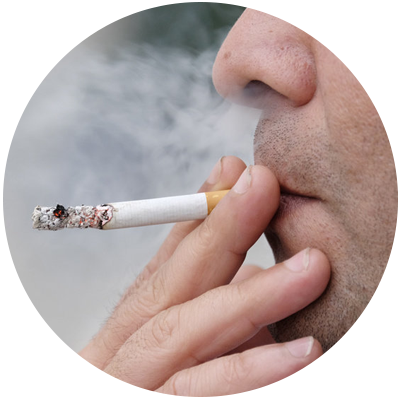
Tobacco Smoke
Cigarette smoke is one of the most common toxic air pollutants you’ll find indoors.
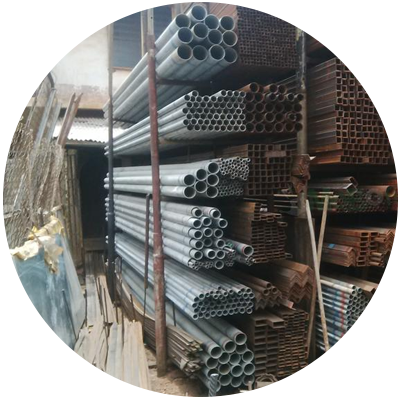
Building Materials
Many building materials contain what is known as ‘volatile organic compounds’ (VOC), which is not safe to inhale.
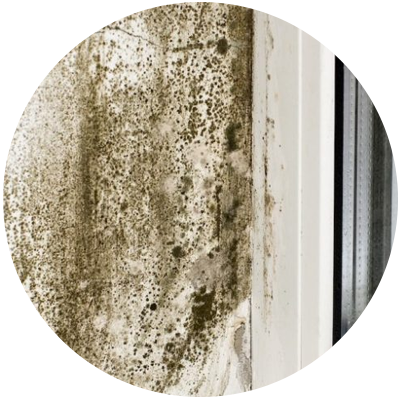
Mold and Mildew
Usually found in damp areas like your bathroom, attic, and basement, mold occurs naturally and can multiply quickly if it is not taken care of.
Stay Healthy With Our Suggestions
HOT CRAZY MESS
Hot Crazy Mess - this is your only place if you really want to experience some girls with daddy issues. If you aren't aware what kind of women you should expect by that... let us show you. We are talking about girls who simply hunt their step-dads and other older guys. Just for their own sexual satisfaction!

MODEL TIME
Model Time - a new place for all video content created by models themselves. There are no silly scripts, no fancy setups - just plain old-fashioned actions made and directed by girls themselves. Sounds interesting? It really is, because it's definitely something different from your usual routine.

LEZ CUTIES
Lez Cuties - beautiful girls from Europe engage in their lesbian kind of fun. Watch them experiment with other females as they discover their lesbian side of sexuality. Lez Cuties tube is updated with the freshest video content from the series. For free!

TWINK TOP
Twink Top - the concept is easy, yet so hot to watch. The usual bottoms are put on trial to become total tops, alpha males. Do they do their job properly? Do they like it? This is what you are going to find out with this series!

ROCCO SIFFREDI
Rocco Siffredi - the world's famous performer in entertainment field has his new home opened to public. Watch all his current adventures as well as recent ones and all upcoming ones in the highest quality possible!

NEXTDOOR STUDIOS
NextDoor Studios - get ready to have your wildest expectations exceeded. Why? Because you are about to explore the world of gay taboo without ANY restrictions. Watch the hottest kinks, real-life fantasies and much more.

BOYS AT CAMP
Boys At Camp - boys becoming men in total wilderness. Watch scouts and their buddies getting scoutmaster treatment in order to make them complete. This Say Uncle Network fantasy features the kinkiest gay camping fantasies.

PAWG
PAWG - phat ass white girls - as simple as that. This is who hides behind this acronym and thanks to Bang Bros crew you can experience the fattest and roundest butts on caucasian girls.

BLACKS ON BOYS
Blacks On Boys - it's about time you experience what mans-only interracial fun is all about. Thanks to Dogfart studio and its gay division you are in for some really hot treat!

Chemicals Health Monitor informational website about dangers coming from the lack of knowledge what we eat and how many chemicals are around in our environment - both in food as in air or water.
The Ebola Cure Scam Of Nigeria
During the summer of 2016, a Nigerian student sent out a prank text that ended up with two people dead and close to 20 more in the hospital, according to a report by ABC News.
Edwin Ikhuoria, who works for superstar singer Bono’s ONE campaign, claimed that sometimes at the beginning of August, a Nigerian student, sent out a prank text, claiming that the consumption of salt water will protect you from the Ebola virus.